Complexity is not the problem. Staying stuck in it is.
Organizations rarely need more information. They need someone who can hold the whole system in view, find the leverage, and turn it into something a board can approve, a funder can fund, and a team can execute on Monday.
That is the work. Here is how it groups.
Strategy and Systems
Turning complex challenges into a clear, actionable strategy. Program design, partnership strategy, and organizational positioning. The goal is always the least change that produces the greatest effect, and a path someone can actually walk.
Sustainability, Circularity, and Regenerative Design
Sustainability is built into operations, products, and places rather than bolted on afterward. Circular economy and sustainable manufacturing: lifecycle assessment, supply chains that source closer to home, and business processes that enable a company to prove what it is already doing and sell it to markets that will pay for it. Green building, and the human systems inside it.
And the other half of the ledger, which most sustainability work skips. Measure the footprint, shrink it, report it, buy an offset for the remainder: that is the standard sequence, and most people running it know the last step is largely paper. Handprinting asks a better question. What positive impact could you build instead, in a real place, that is measurable, that your own people can see, and that is worth more than the certificate it replaces? That is the work I want more of at the corporate, school, and community scales.
The practical question underneath all of it: what would it take for this to give back more than it takes?
Community, Sport, and Education
It all comes back to community. Health and wellness, economic development, sustainable design, leadership, youth and athlete development: whatever the entry point, the work returns to the same question. What does this place need, and what does it already have to build with?
Sport and education are not side projects in that work. They are among the most reliable engines of community change we have, and they are chronically underused as a strategy. A team, a school, a summer program: these are the places where a community practices being itself. My work is helping organizations see those assets clearly and build real options on top of them.
Making It Legible
The artifacts that move decisions: proposals, white papers, pitch decks, partner letters, curricula, and implementation plans. Good thinking that nobody can follow is not good thinking yet. This is where most engagements land, and it is often why people call.
Selected Work
I have never settled for just going to work. When a department needed a chair, I chaired it. When students needed a harder class, I built one. When a school had no program for girls, I started one. That is temperament rather than résumé, which is why what follows is a selection and not an inventory.
Cameron High School: cross country and girls’ track and field
My first job out of college was in the 1980s. Neither program existed at Cameron, so I started them. The girls at that school had no track and field until there was some.
I left before either won a state championship. They won shortly after I left.
Wheeling Jesuit University (now Wheeling University): cross country and track and field.
Established the University’s first men’s and women’s cross-country programs in 1990 and track and field in 1993. Four programs, built from nothing.
Thirteen years. 290 wins and 41 losses. Twenty-one West Virginia Intercollegiate Athletic Conference championships across the four
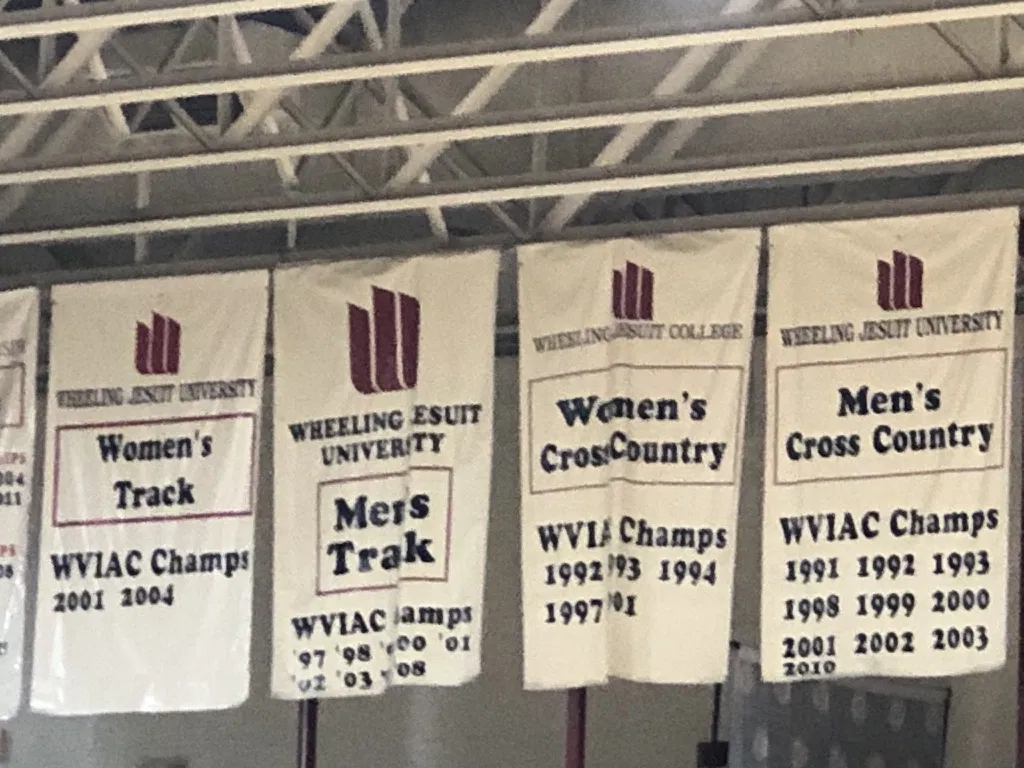
programs, seventeen conference Coach of the Year awards, 68 national qualifiers, 22 All-Americans, three NCAA Champions, and 25 Academic All-Americans. NAIA South Regional Coach of the Year twice, and a National Coach of the Year finalist.
The record is not the point. The point is that in 1989, none of it existed.
Green buildings, and the culture inside them
Consulted on West Virginia’s first LEED-certified schools and its first WELL Certified building. Green building is where sustainability stops being a value statement and becomes a wall, a window, and an energy bill.
But a certified building does not make a sustainable school. The people inside it do. I managed the West Virginia cohort of the Green Building Alliance’s multistate School Sustainability Culture Program, which ran through 2018, working with teachers on the practices and planning that turn a green building into a green school and put Green Ribbon recognition within reach.
That is still the work I want more of: the human system inside the sustainable one.
Appalachian Sustainable Products Network
Director of Sustainability Initiatives, WVU Extension. A federal program of the Appalachian Regional Commission, managed by the Green Building Alliance with Extension as a subrecipient.
The idea came out of the WELL Building work. When the pandemic broke supply chains, it was clear the problem was not the building; it was where the materials came from. GBA and Extension asked whether the region could answer that itself. Appalachia is full of manufacturers making sustainably sourced products, and many of them already were, with no way to prove it and no route into the markets that would pay for it.
So the program helped manufacturers run Lifecycle Assessments on their products and rebuild the business processes that connect them to the demand side of the economy, with circularity designed in.
Not a subsidy. Evidence, and a way to market.
U.S. Department of Education Green Ribbon Schools
Served on the national nonprofit stakeholder committee that established the program. The federal design required every state to
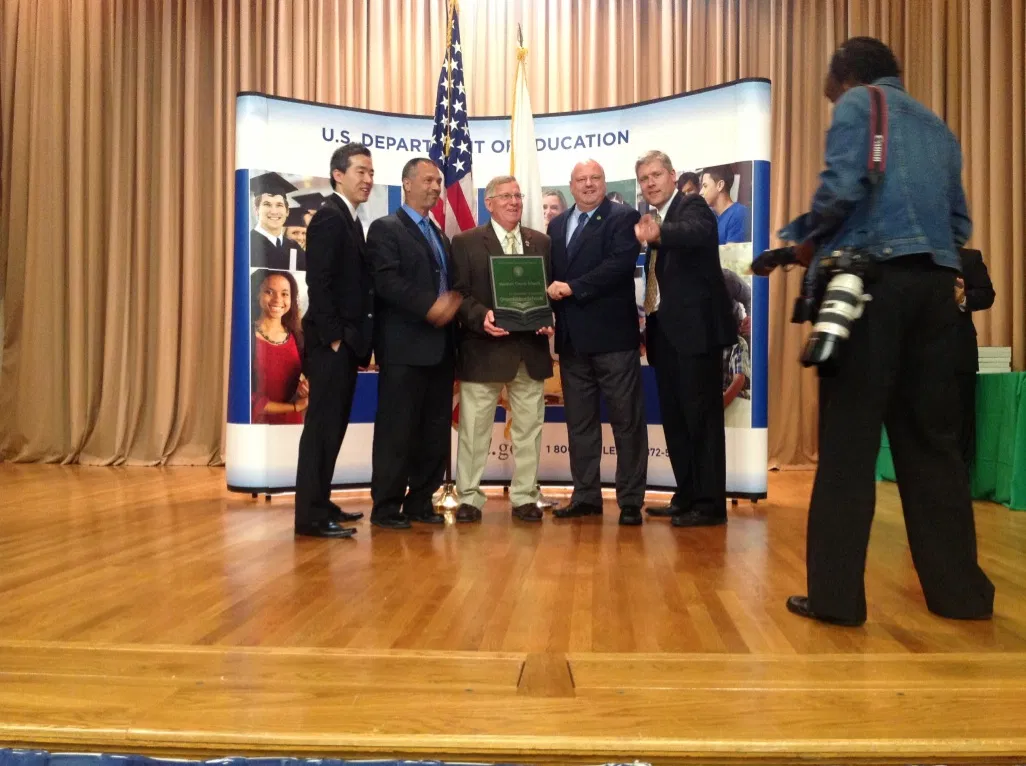
have an official body authorized to nominate its schools, so I went home and helped build one: the West Virginia Sustainable Schools Program, established as a department within the West Virginia Department of Education. Then, I worked with schools across multiple states to earn the honor.
Alongside it, I chaired national Green Schools Committees for the U.S. Green Building Council, was recognized with the 2014 USGBC Best of Green Schools National Ambassador Award, and was invited to the 2015 White House Climate Education and Literacy Roundtable.
Policy is not real until somebody builds the thing that makes it work at home.
NASA Classroom of the Future
Certified by COTF as a Problem-Based Learning Trainer and a curriculum specialist from 1994 to 2012. The work was translating serious science into problems teachers could actually run with and into place-based solutions: real questions in students’ own communities, with answers that mattered locally.
That is handprinting at the scale of a classroom, and it is the method underneath most of what is on this page.
Throwing Zone Athletics
Director of Strategy, Business Development, and Programs. Brand architecture, product and program positioning, athlete development systems, and international partnership strategy for a company built on coaching methodology and joy as a product.
Inclusion is the strategic center of it. Equipment and programs designed so that a school or a community can put an implement in almost anyone’s hands, and have that person succeed the first afternoon, are what turn throwing from an athletic specialty into a community development tool. That is also the honest answer to why sport works at all: people come back to what brings them joy, and they bring other people with them.
Energy Express Director
A WVU Extension and AmeriCorps summer literacy program serving rural West Virginia children, running since 1994, the first year of AmeriCorps, and running still. In a single year: 9,226
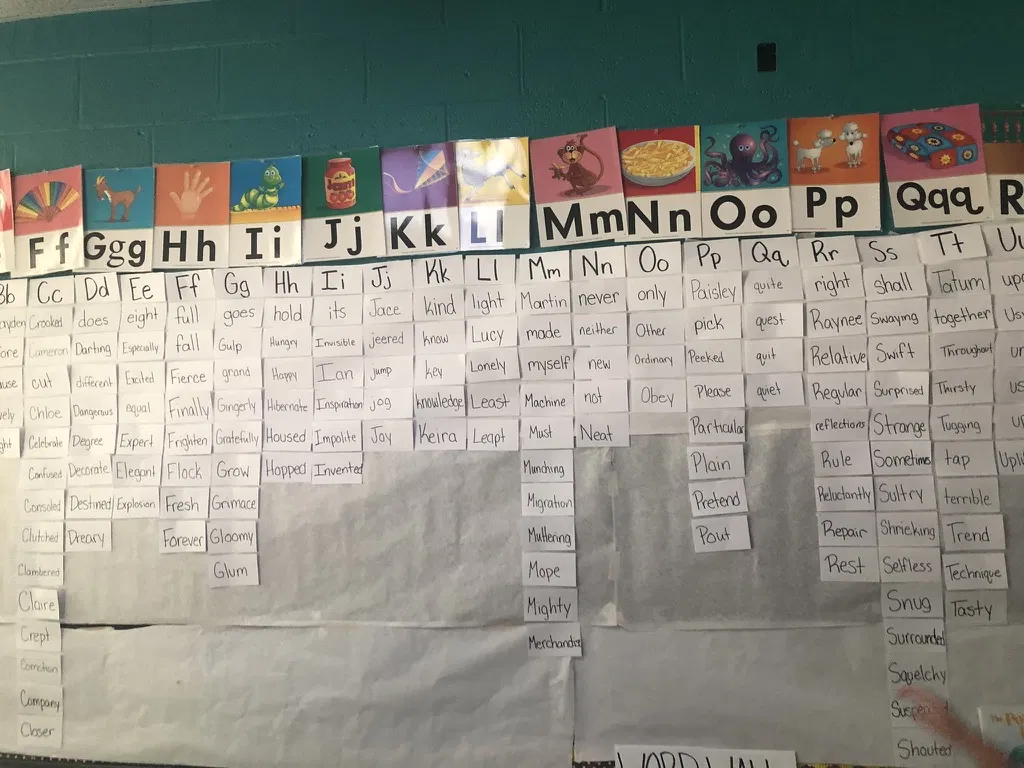
volunteer hours, 30,000 take-home books distributed, and 48,000 meals served to children. I visited every participating site, in all 55 counties, three years running, and took staff with me so they would feel what the children brought into the room.
Food deserts and literacy deserts sit atop one another with uncomfortable precision, and summer is when both gaps open widest. Energy Express works them together rather than separately: reading, food security, and a reason to show up, in the communities where the distance is greatest.

