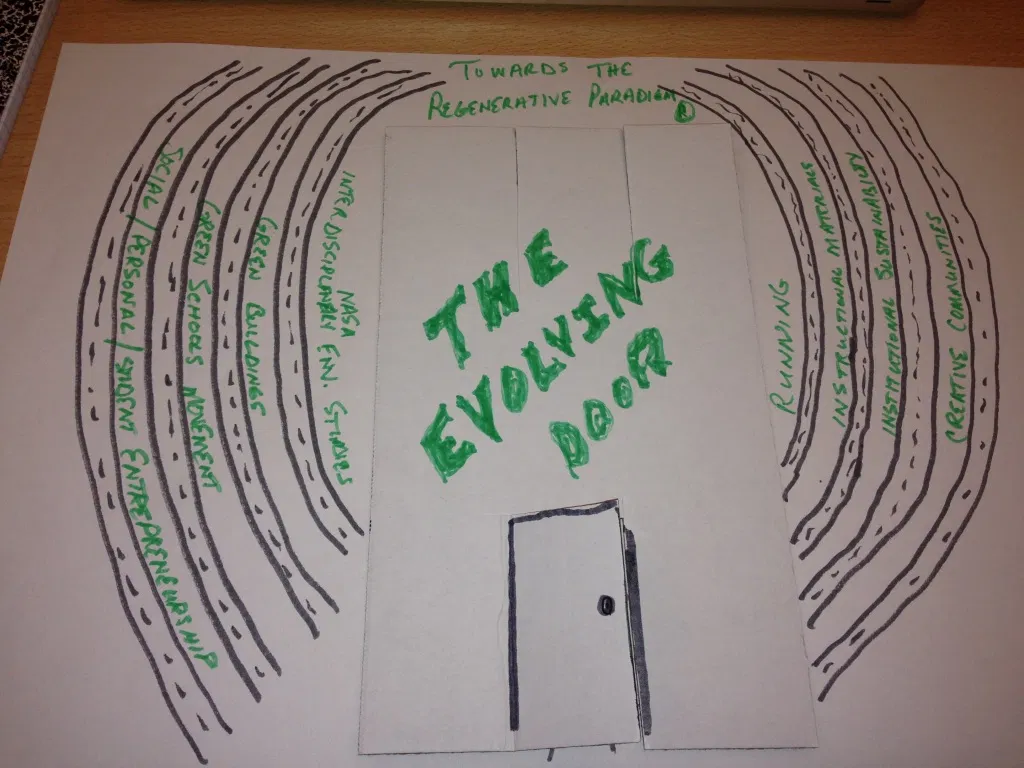
I was once asked at a workshop to describe my doorway to sustainability. It is a good question. Anyone who says they care about the planet should be able to answer it, and Pangaea Strategies is downstream of my answer.
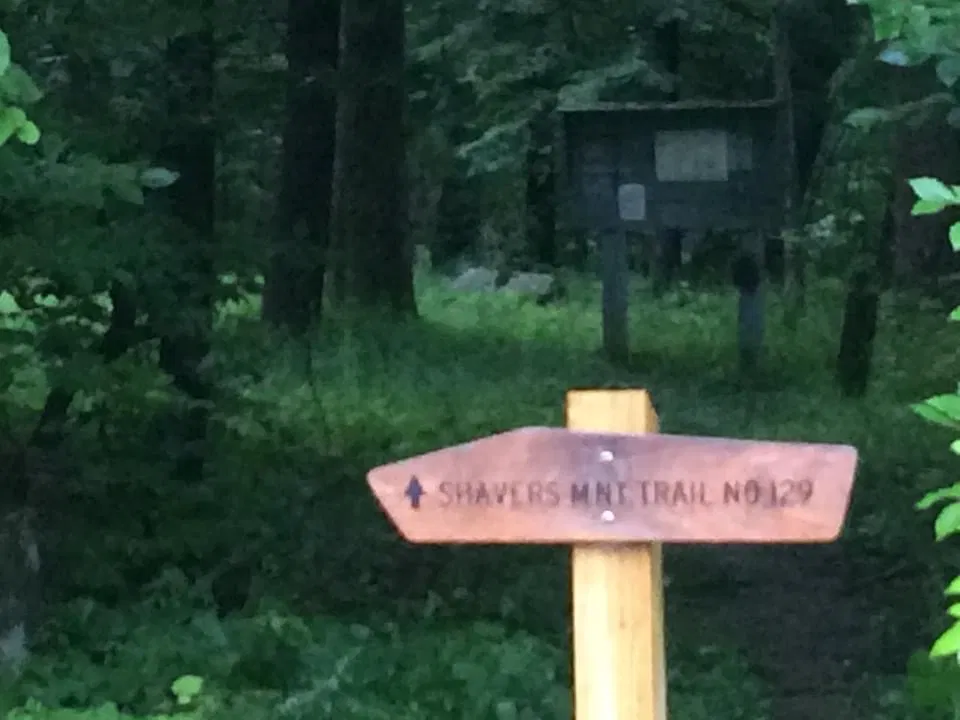
In the 1970s, I was a young man running the mountains for West Virginia, and somewhere out there, I started thinking about my footprint. I meant it literally: actual prints, on actual trails, in places I
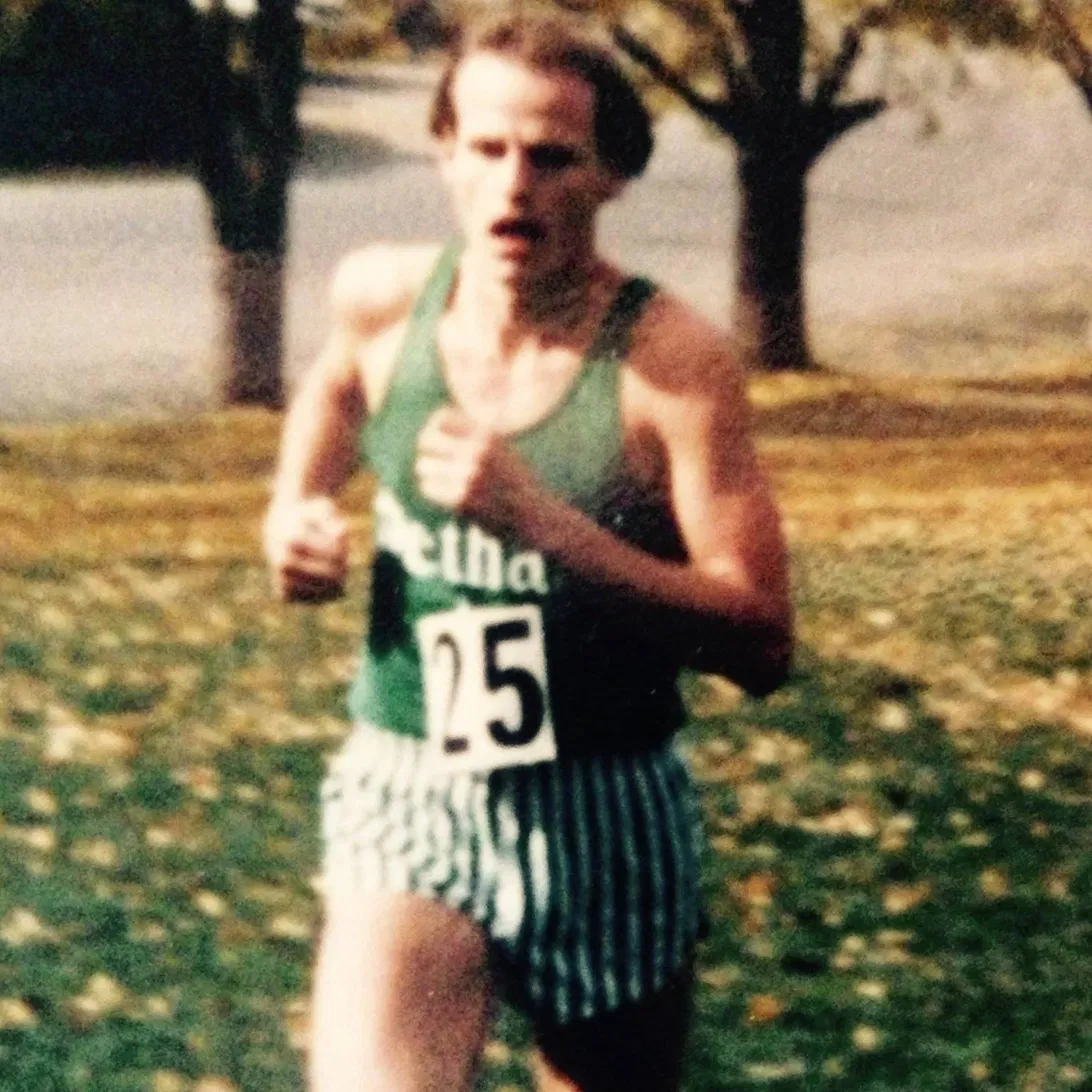
loved. They were smaller and lighter then. What you carry in, you carry out. Leave it better than you found it.
But you cannot make a footprint disappear, and that is the part of the conversation everyone skips. You can shrink it, you should, and you still will not reach zero. So the question that has organized my working life is the other half of it: what can you put down that was not there before?
The word for it arrived late. In the middle of the last decade, I brought dozens of West Virginia teachers to a Green Building Alliance professional development program and sat in on a session led by Greg Norris, a lifecycle assessment expert. He called it handprinting. You assess a footprint to understand your impact. You build handprints to leave the place better than you found it. Neither one cancels the other, and you need both.
I had been doing it for thirty years without knowing what to call it. That is what the doorway question actually surfaced: not a conversion, a recognition. The instinct was already there. What was missing was substance, a framework, and a way to measure. The idea is not mine, and Pangaea did not invent it. I have simply never stopped working on it since.
People are bad for the planet and good for it at the same time. I do not find that paradox discouraging. It means perfection was never the standard, and that the useful question for a person, a school, a company, or a county is not “how do we do less harm?” It is what we are going to build.
Every program I have ever started is an attempt to answer that. And there is a method attached to it: I was certified as a Problem-Based Learning trainer by NASA’s Classroom of the Future and spent the better part of two decades teaching it. Put a real problem in the learner’s own place, in front of them, and ask what they intend to do about it. That is a handprint at the scale of a classroom. It works the same way at the scale of a company or a county.
I have never left West Virginia. Appalachia has spent a century being studied, extracted from, and told what it needs by people passing through. I am not passing through.
I learned why at Cameron High School, my first job, a small school in Marshall County with almost no resources and very good people. I have said for years that if you can coach at a place like that, you can coach anywhere. It took me a while to notice that it is not a line about coaching. Resources were never what was missing here. That is the assumption I have spent a career working against, and it is why the manufacturers, the schools, and the communities I work with usually already have what they need. What they lack is a way to prove it and a plan.
In 1995, a Fulbright-funded study took me to South Africa, months after the country’s first all-race elections. I went to study international education. What I actually learned was how quickly a society can decide to become something different, and how much of that decision happens in schools, on fields, and in ordinary rooms rather than in capitals. I have been working on that premise ever since.
Before and since then: over thirty years as an educator, with Marshall County Schools, WVU Extension, and the Energy Express AmeriCorps literacy program. A coaching career that went 290-41 across thirteen seasons and four programs I built, and induction into the Wheeling Jesuit University Hall of Fame as a coach and the Bethany College Hall of Fame as an athlete. And two decades of sustainability work, chairing national Green Schools Committees for the U.S. Green Building Council, helping stand up the state department that nominates West Virginia schools for federal recognition, and consulting on the state’s first LEED-certified schools.
The subject matter is the least interesting part of that list. What I actually do is build programs.
Athletic programs at the high school and collegiate level, including four at Wheeling University that did not exist until I built them. Academic programs designed around what learners, their parents, their schools, and their communities actually needed, rather than what was convenient to deliver. Sustainability programs that started as an idea in a room and ended as a structure that the state could carry. I have established programs in athletics and in education and seen them through to national and international prominence, with national recognition in both fields to show for it.
And underneath all of it, the quieter twenty-five years: when West Virginia needed to write or rethink something in education, I was usually on the committee. State standards in U.S. History, World History, Government, and Economics. A half dozen Department of Education committees. Statewide programs I directed rather than advised. None of those photographs well. It is also most of what I have done.
That is what a client is buying. Not advice. The ability to build something that survives contact with reality and keeps working after I leave the room.
There is a Greek proverb I keep coming back to: a society grows great when old men plant trees in whose shade they know they shall never sit. That is the standard I hold the work to, and it is not really a
business proposition. The programs worth building are the ones that outlive the person who built them, which means you rarely get to see what they become.
Which is why the commitment does not switch off when the invoice does. I give my time to boards working in child advocacy, the humanities, experiential education, green schools, and youth athletics. Different rooms, same job: strengthening the institutions that carry young people and hold communities together. Pangaea Strategies exists to support work like this. The unpaid hours are how I stay honest about it.
I hold an M.A. in Secondary Education from West Virginia University
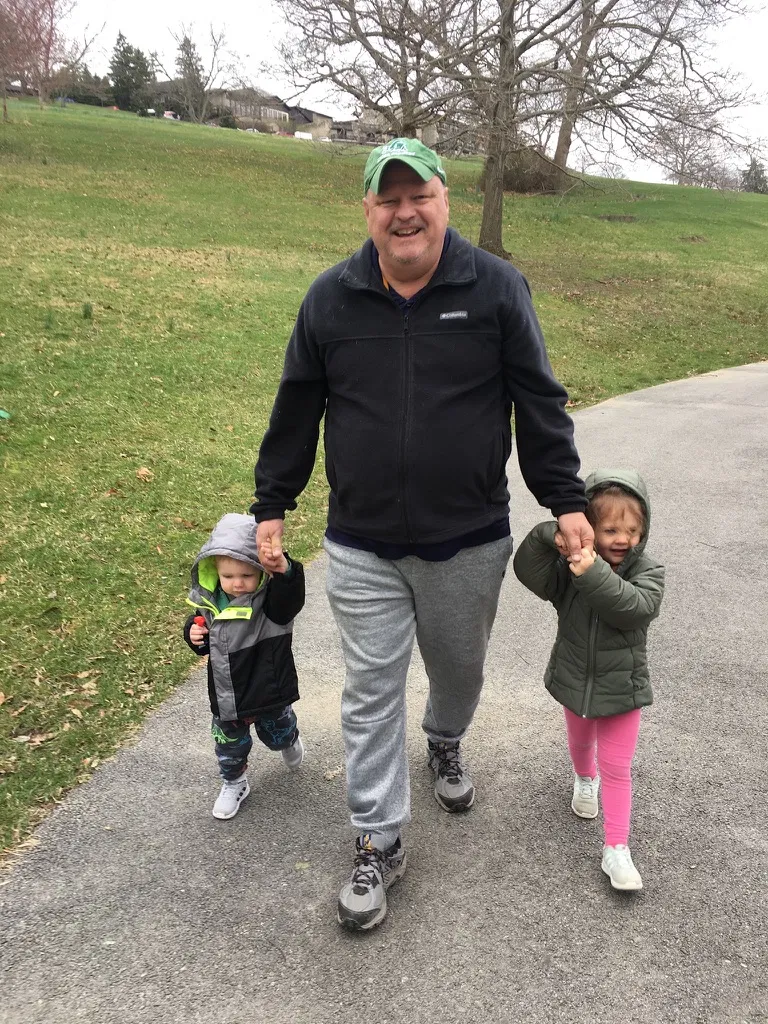
with an emphasis in International Studies. I am a husband, a father, and a grandfather, and those are not footnotes to the resume. They are the reason for it.
Every project gets the same test: Does this make the world a better place? If a strategy cannot survive that question, it is not a strategy worth writing.

